

Partners

UNIVERSITAT POLITECNICA DE CATALUNYA (UPC)

View all partners

The Laboratory of Applied Bioacoustics (LAB) develops innovative technologies to reduce the impacts of human activities on the marine environment, with a focus on underwater noise pollution and sustainable marine resource management.

Under the scope of SEA4Future, the LAB will develop and test Ping-Air, an acoustic mitigation device that uses an air bubble curtain to deter dolphins from approaching fishing nets, reducing bycatch and conflicts with fisheries. Field trials will be carried out with local fishermen.

UPC will investigate too the effects of vessel noise on Mediterranean invertebrates using the AquaVib system. Laboratory experiments will assess physiological stress and health impacts, supporting a better understanding of how underwater noise affects marine ecosystems and fisheries, contributing to MSFD Descriptor 11.

Meet the Team

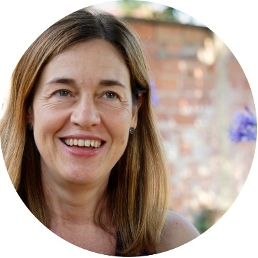
Michel André - Director of Research, Universitat Politècnica de Catalunya (UPC), Director of the Laboratory of Applied Bioacoustics (LAB), and Founder & CEO of The Sense of Silence Foundation. His research focuses on underwater noise pollution, marine bioacoustics, cetacean biosonar, and the impacts of anthropogenic noise on marine life. He is a leading expert in the European Marine Strategy Framework Directive (MSFD) on underwater noise, a member of several international expert groups (including ASCOBANS, ACCOBAMS, WOC, and ISO), and coordinates the global LIDO underwater acoustic monitoring network.
ORCID 

Marta Solé - Senior researcher at the Laboratory of Applied Bioacoustics (LAB) – Universitat Politècnica de Catalunya - Barcelona TECH (UPC). She is the responsible from the Biological Department of the LAB. Her research involves the development of Imaging and Proteomic Techniques to assess the impact of noise pollution in marine invertebrates (Cephalopods, Mollusks, Gastropods, Cnidarians and Crustaceans) plants and fishes. She studies the biological effects of anthropogenic noise on marine fauna in order to achieve non-intrusive mitigation measures and develop legislative instruments to help the implementation of European and national policies on marine noise pollution. Recently these techniques have been used to fight with plagues and invasive species that elicit biodiversity loss in natural ecosystems and economic losses in aquaculture factories.

ORCID